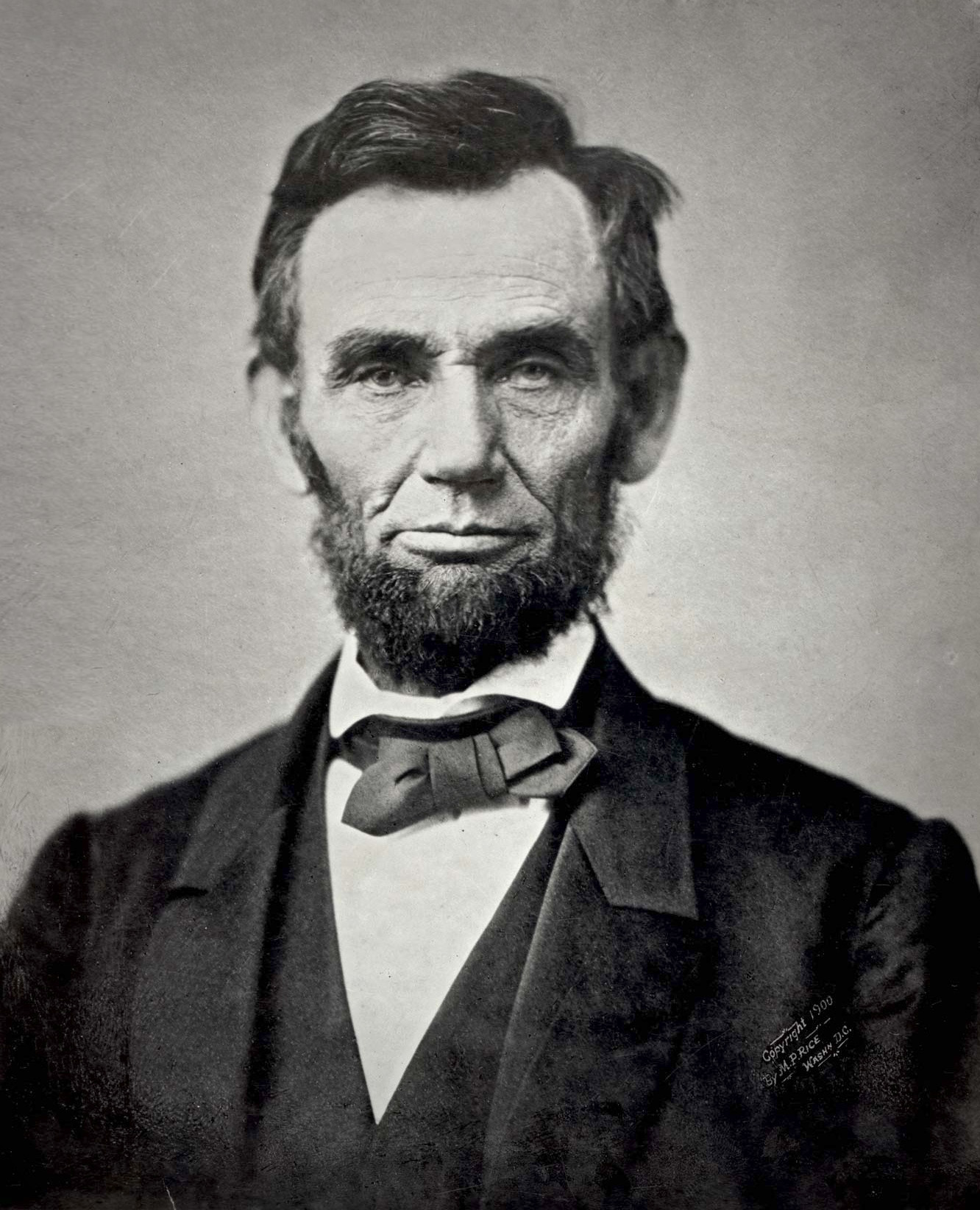
Abraham Lincoln
The sixteenth U.S. president. His writings and speeches are often read for their language of liberty, union and representative government.
“government of the people, by the people, for the people”Explore the context
Words that shaped the world
Meet a selection of political leaders, public thinkers and advocates. Each profile links to the words, documents and circumstances that help explain their ideas.
The sixteenth U.S. president. His writings and speeches are often read for their language of liberty, union and representative government.
“government of the people, by the people, for the people”Explore the context
Abolitionist, author and public speaker whose political thought addressed slavery, citizenship, equality and the exercise of power.
“Power concedes nothing without a demand.”Explore the context
The thirty-fifth U.S. president. His inaugural address is a widely studied example of political language about public service.
“Ask not what your country can do for you — ask what you can do for your country.”Explore the context
Diplomat and human rights advocate who chaired the UN commission involved in drafting the Universal Declaration of Human Rights. None of the Declaration’s words are attributed to her individually.
“All human beings are born free and equal in dignity and rights.”Explore the context
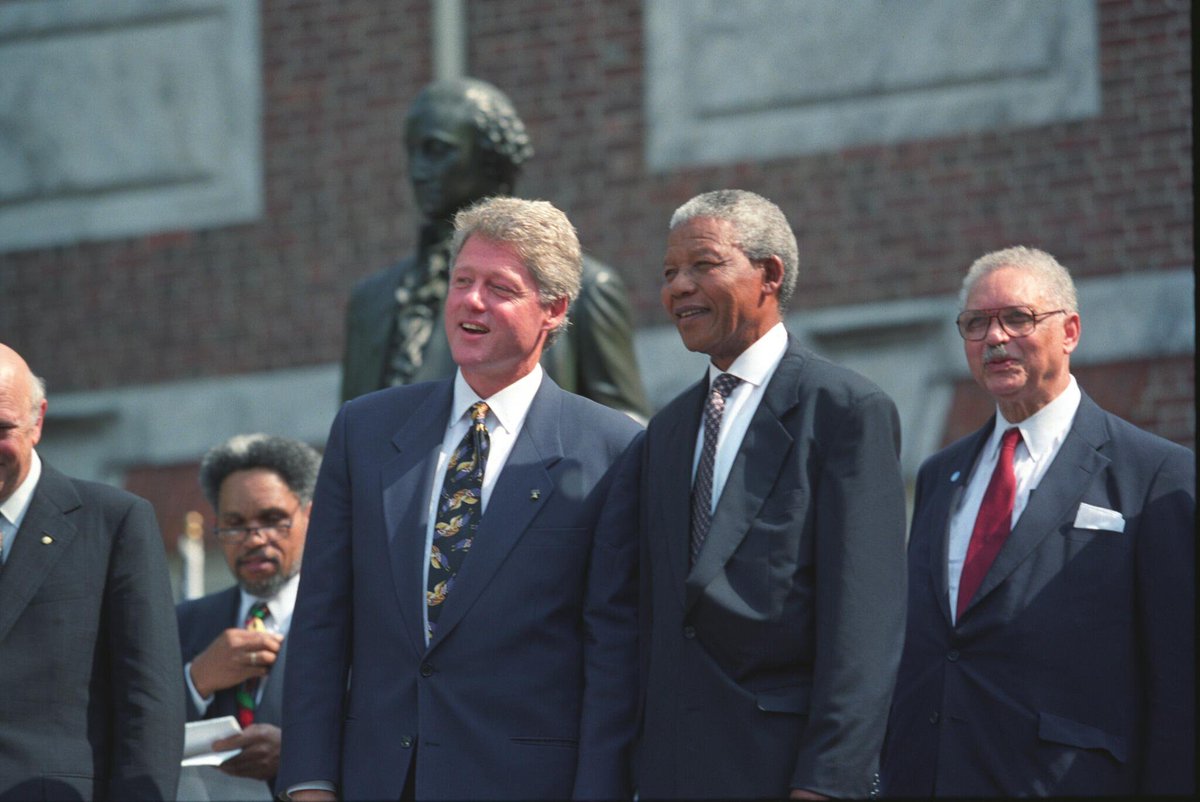
Anti-apartheid leader and South African president. His 1964 statement from the dock articulated an ideal of democratic freedom.
“I have cherished the ideal of a democratic and free society”Explore the context
Browse the complete collection and find quotations by speaker or subject.