
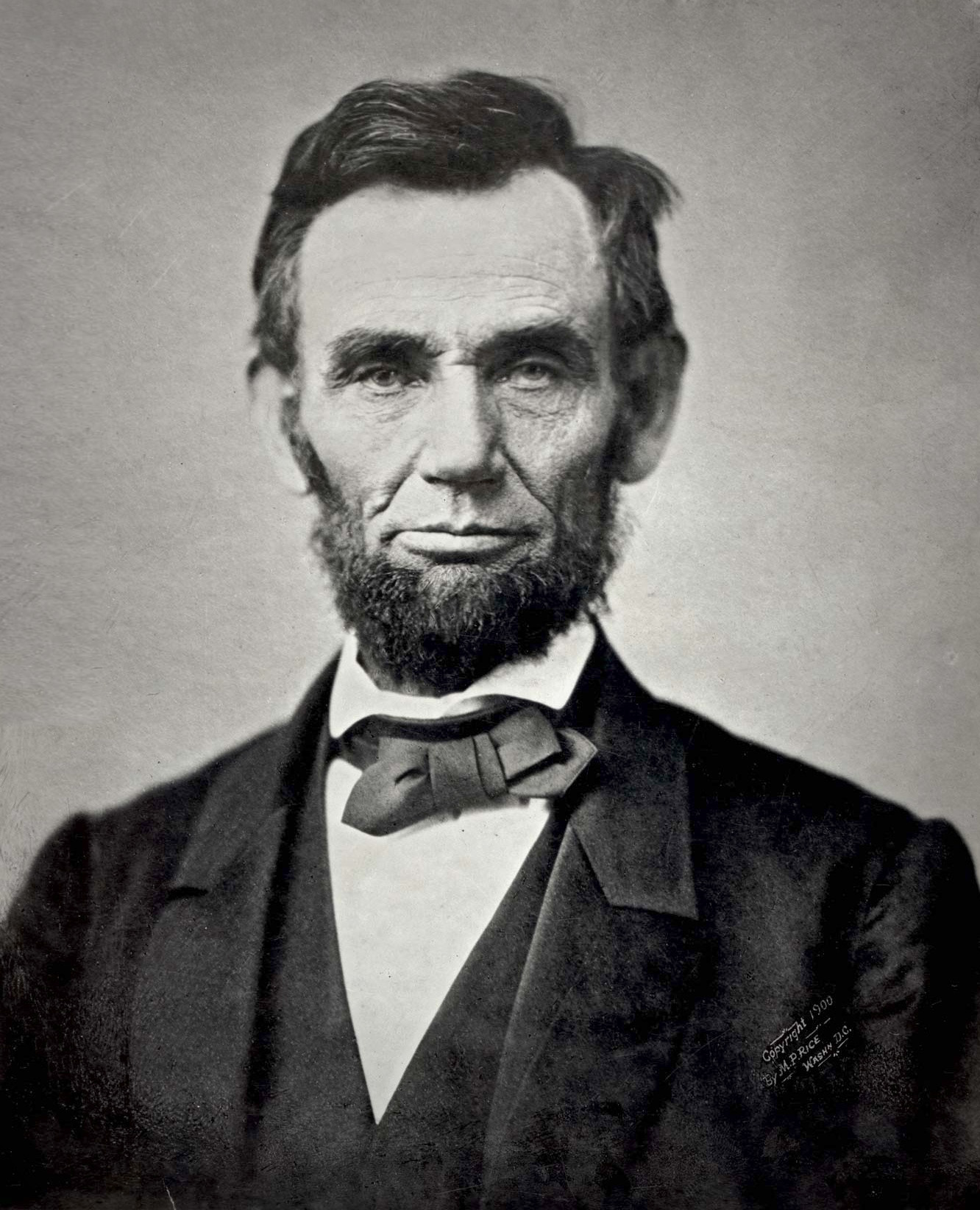
Gettysburg: the enduring idea of self-government
Why Lincoln’s brief 1863 address remains a touchstone for the language of representative government.
Words that shaped the world
A timeline of selected political documents and speeches. Trace their language back to the events that gave them meaning.
Archive image: National Archives and Records Administration · Public domain
From constitutional foundations to modern declarations, political ideas take shape through institutions, debates and the words of people seeking change. This timeline is a starting point, not a complete history of global politics.
How to read historical sourcesSeven moments from the archive.
A foundational legal text frames public authority through the people and establishes institutions.
Read original source ↗Frederick Douglass addresses freedom and political reform in his West India Emancipation speech.
Read original source ↗Lincoln connects remembrance with democratic self-government.
Read original source ↗The Charter establishes an international organization for cooperation and peace.
Read original source ↗A common standard for human dignity and rights is adopted by the UN General Assembly.
Read original source ↗A new U.S. president emphasizes public service and civic responsibility.
Read original source ↗The Rivonia Trial statement expresses an ideal of a democratic and free society.
Read original source ↗Why Lincoln’s brief 1863 address remains a touchstone for the language of representative government.
A short sentence from 1857 opens a larger conversation about reform, participation and responsibility.
The Universal Declaration of Human Rights and the significance of its opening principle.

